
The Data Revolution Reshaping Legal Practice
The legal industry, known for its complexity and reliance on vast amounts of data, is undergoing a transformation in how it approaches data management and decision-making. One of the key technological advancements driving this change is web scraping—a powerful tool that allows law firms to extract valuable data from the internet and use it to gain a competitive edge. With the increasing importance of data-driven decision-making, web scraping has emerged as an essential solution for law firms looking to enhance their legal research, stay competitive, and improve client service.
The solution? Intelligent data extraction.
Web scraping for legal research has emerged as the cornerstone technology for forward-thinking law firms seeking to transform raw internet data into strategic assets. This approach automates the collection of critical information—from court rulings and legislative updates to competitor pricing and client sentiment—enabling firms to operate with unprecedented efficiency and insight.
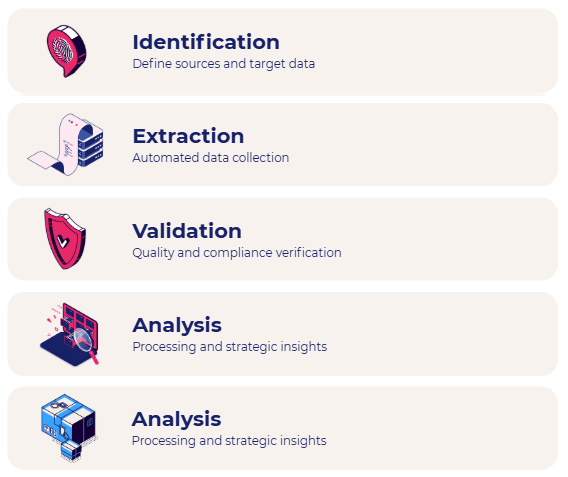
Understanding Web Scraping in the Legal Context
Web scraping refers to automated data extraction from websites, converting unstructured online information into organized, analyzable datasets. For legal professionals, this technology unlocks access to:
- Case law databases spanning multiple jurisdictions
- Real-time court filings and docket updates
- Legislative tracking across federal and state bodies
- Competitor intelligence from firm websites and directories
- Client sentiment from review platforms and social media
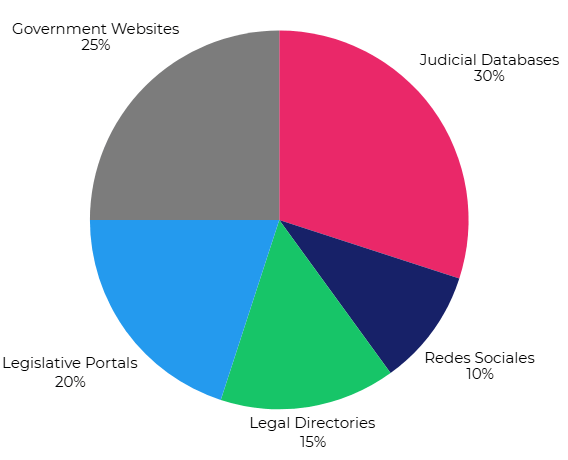
The legal sector generates millions of documents annually—court decisions, statutes, regulations, scholarly articles, and practice guides. This information exists across fragmented sources: government portals, legal databases, court websites, and professional publications. Manual collection is not only time-consuming but increasingly impractical.
Automated data extraction solves this problem by continuously monitoring relevant sources, extracting pertinent information, and delivering it in ready-to-analyze formats.
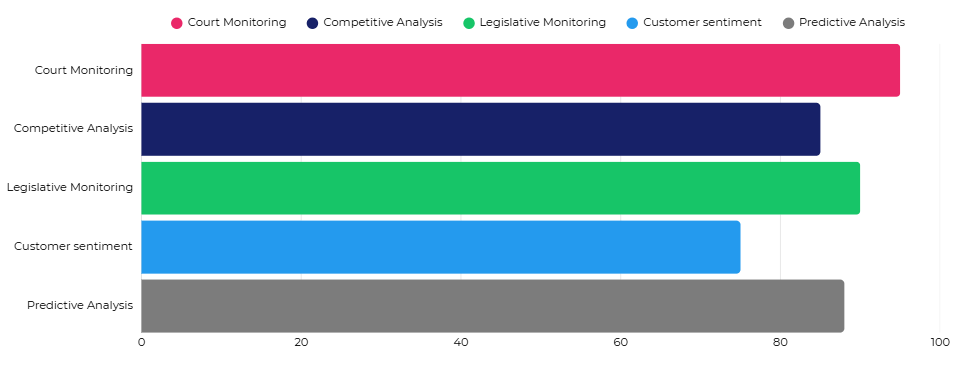
5 Strategic Applications Driving Legal Innovation
1. Real-Time Court Intelligence
Modern litigation requires constant awareness of case developments. Automated court monitoring delivers immediate notifications when:
- New cases are filed in practice areas
- Relevant motions or rulings are published
- Judge assignments change
- Docket entries update
This real-time intelligence ensures attorneys never miss critical deadlines or strategic opportunities, transforming reactive practices into proactive strategies.
2. Competitive Market Analysis
Understanding the competitive landscape is essential for positioning and growth. Data extraction enables comprehensive competitor analysis by tracking:
- Service offerings and specialization areas
- Pricing models and fee structures
- Marketing messaging and positioning
- Attorney credentials and experience levels
- Client testimonials and satisfaction indicators
These insights inform strategic decisions about service expansion, pricing optimization, and market differentiation.
3. Legislative and Regulatory Monitoring
For firms serving corporate clients, staying ahead of regulatory changes is non-negotiable. Automated legislative tracking monitors:
- Bill introductions and amendments
- Committee hearings and votes
- Regulatory agency proposals
- Final rule publications
- Compliance deadline changes
This proactive monitoring allows firms to advise clients before regulations impact operations, positioning them as trusted strategic advisors rather than reactive problem-solvers.
4. Client Sentiment and Reputation Intelligence
Legal data extraction extends to understanding how firms are perceived in the market. Social media monitoring and review aggregation provide insights into:
- Client satisfaction trends across platforms
- Common pain points in service delivery
- Competitive positioning in client minds
- Emerging reputation risks
- Marketing message effectiveness
These insights drive improvements in client experience, service delivery, and brand management.
5. Predictive Case Analytics
Historical case data contains patterns that inform current strategy. By extracting and analyzing outcomes from similar cases, firms can:
- Predict likely rulings based on judge tendencies
- Assess settlement value ranges
- Identify winning arguments and strategies
- Evaluate case strength before significant resource investment
- Optimize resource allocation across matters
This evidence-based approach replaces intuition with data-driven decision-making, improving outcomes while managing risk.
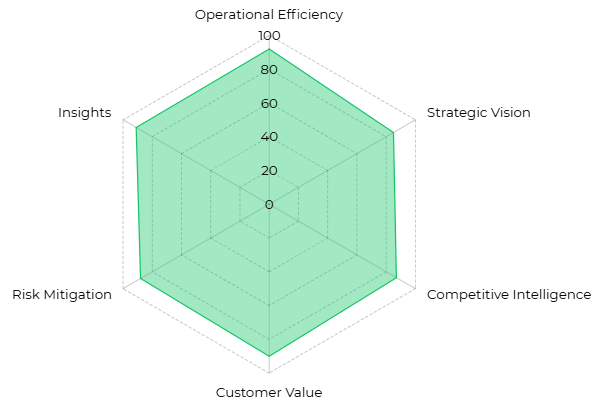
The Strategic Advantage: From Data to Decisions
The true power of web scraping lies not in collection but in transformation—converting scattered information into actionable intelligence. Law firms leveraging these capabilities gain:
Operational Efficiency: Attorneys spend less time on manual research, redirecting effort toward high-value strategic work and client counseling.
Competitive Intelligence: Understanding market dynamics, competitor movements, and pricing trends enables smarter positioning and business development.
Risk Mitigation: Early awareness of regulatory changes, adverse precedents, and reputation issues allows proactive rather than reactive management.
Client Value: Delivering insights competitors lack—predictive analytics, comprehensive market research, regulatory foresight—differentiates service offerings and strengthens client relationships.
Strategic Foresight: Trend analysis across legal developments, market shifts, and client needs enables long-term strategic planning rather than short-term reaction.
Navigating Compliance and Ethical Considerations
Implementing automated data collection requires careful attention to legal and ethical boundaries. Responsible firms must address:
Privacy Regulations: Ensuring compliance with GDPR, CCPA, and other data protection frameworks when collecting publicly accessible information.
Website Terms of Service: Respecting robots.txt files, rate limiting, and access restrictions set by data sources.
Data Security: Protecting collected information through encryption, access controls, and secure storage practices.
Ethical Usage: Applying collected data appropriately within professional responsibility guidelines and avoiding misuse.
Partnering with experienced providers ensures these considerations are addressed systematically, allowing firms to leverage data advantages while maintaining ethical standards.
Implementation Considerations for Law Firms
Successful data extraction programs require strategic planning across several dimensions:
Scope Definition: Identifying specific use cases—court monitoring, competitor analysis, legislative tracking—that align with firm priorities and deliver measurable value.
Data Quality: Ensuring extracted information is accurate, complete, and properly structured for analysis and integration into existing systems.
Integration Architecture: Connecting data collection systems with case management platforms, CRM systems, and analytical tools for seamless workflow.
Scalability Planning: Designing systems that accommodate growing data volumes and expanding use cases as firms recognize additional applications.
Team Training: Ensuring attorneys and staff understand how to access, interpret, and apply collected data in their daily work.
The Future of Data-Driven Legal Practice
Legal practice is evolving from experience-based art to data-informed science. Firms embracing this transition recognize that competitive advantage increasingly derives from information superiority—knowing more, faster, and with greater precision than competitors.
Web scraping for legal research serves as the foundation for this transformation, automating the collection of intelligence that informs every dimension of practice: case strategy, business development, risk management, client service, and strategic planning.
As legal markets become more competitive and clients more sophisticated in their expectations, firms lacking robust data capabilities will find themselves at systematic disadvantage. Those investing in intelligent data extraction position themselves as market leaders, delivering superior outcomes through evidence-based strategy.
Partner with Expertise: The Scraping Pros Advantage
Implementing effective data extraction requires specialized technical expertise and deep understanding of legal industry needs. Scraping Pros delivers both, offering:
Customized Solutions: Tailored data collection systems designed around your firm’s specific practice areas, competitive landscape, and strategic priorities.
Compliance Assurance: Rigorous adherence to privacy regulations, website terms of service, and ethical standards, protecting your firm from legal and reputational risk.
Quality Guarantee: Clean, accurate, properly structured data delivered in formats that integrate seamlessly with your existing technology infrastructure.
Scalable Architecture: Systems designed to grow with your firm, accommodating increased data volumes and new use cases as your needs evolve.
Ongoing Support: Continuous monitoring, maintenance, and optimization ensuring consistent performance and adapting to changing data sources.
Whether you’re seeking to automate court monitoring, develop comprehensive competitive intelligence, track legislative developments, or build predictive analytics capabilities, we provide the expertise and technology to transform your vision into operational reality.
Ready to transform your legal practice through data intelligence?
Contact Scraping Pros today to explore how customized web scraping solutions can deliver competitive advantage, operational efficiency, and strategic insight for your firm. Let’s discuss your specific needs and design a data extraction strategy that drives measurable results.
Schedule a consultation to learn how we help law firms leverage data for strategic advantage.
